



Strategic partnership across the Japan–global corridor.
Japan combines massive wealth, strong technology, and improving business rules, yet companies often struggle to put those assets to work. The GCC brings ambition, sovereign-grade capital, and Vision 2030 mandates ready to move.
NCC sits in the gap between potential and performance: not a translation layer, but the interpretation successful deals require.

Trillions in world-class capital — structurally dormant, beginning to shift.
Three decades of deflation made large cash reserves rational. Inflation, a weak yen, and Tokyo Stock Exchange governance reform are now encouraging capital to move off the sidelines — opening a first-mover window.

In corporate cash reserves
Cash and deposits exceed 10% of corporate assets — versus less than 6% in the US — a direct drag on return on equity and capital efficiency.
Locked in cross-shareholdings
A quarter of TSE market cap is frozen in legacy cross-shareholding arrangements (keiretsu) — blocking R&D and digital investment, and insulating management from accountability.
Household wealth in cash
Roughly $7T of household savings sits in near-zero-yield deposits, disconnected from equities, venture capital, and productive spending.
Access is no longer the problem. Execution is.
Western capital speaks ROE and IRR. Japanese management runs on consensus (nemawashi), legacy, and trust. Without elite bi-cultural intermediaries to bridge that divide, multi-billion-dollar deals routinely collapse at the cultural layer.
Read the full thesisTransaction-driven Western advisers
Financial-first, high-pressure tactics — LBOs, cost-cutting, hard legal leverage — read as predatory. Boards retreat into bureaucratic delay and quietly end communications.
Surface-level localization
English-fluent hires and junior "ghost" Tokyo teams look right on paper but lack the seniority to move traditional boards — and misread the room and negotiation signals that flag a deal in jeopardy.
Conflicted domestic incumbents
Overlapping shareholder interests leave legacy financial institutions with little incentive to challenge the status quo or compete dynamically.
The interpretation layer the market is missing.
Headquartered in Abu Dhabi and backed by nearly two decades of execution across Japan's industrial and government sectors, NCC doesn't just analyze deals — it architects the institutional trust, regulatory alignment, and cultural consensus that unlock them.
Sovereign & ministerial alignment
Partner-level, decades-long relationships inside Japan's Ministry of Economy, Trade and Industry (METI) and other key entities — early foresight on regulatory shifts, FEFTA security screening, and government-backed industrial mandates.
Regulatory foresight before the market sees it.
Tier-1 financial backing
Direct lines to senior leadership at JBIC and Japan's mega-banks — instant institutional credibility and aligned, government-supported financing structures for every mandate.
Credibility and capital, aligned from day one.
The anonymous consultant network
A covert network of senior executives, engineers, and ex-bureaucrats delivering unvarnished boardroom intelligence and technical due diligence no foreign fund can access.
Boardroom intelligence no foreign fund can buy.
We speak both languages.
Gulf ambition meets Japanese legacy.
We bypass the bottleneck.
Principal-level access, instantly.
We change from within.
Transformation grounded in cultural alignment.
Mandates closed. Sectors transformed.


Energy & Critical Materials
View the mandates
Infrastructure
View the mandates
Healthcare & MedTech
View the mandates
Cybersecurity & Digital Trust
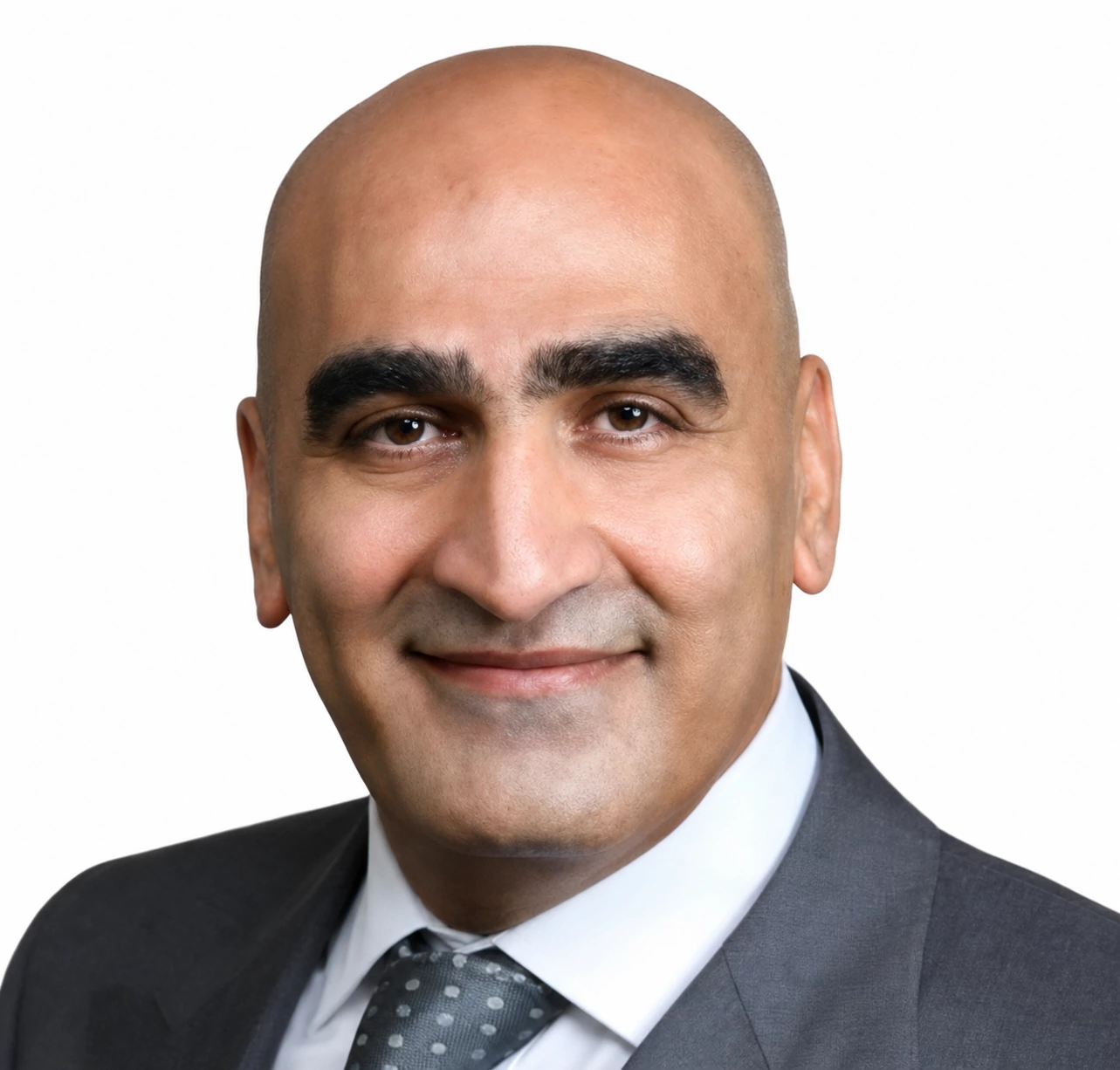
View the mandatesFour advisers. Decades of experience.
Confidential networks inside Japan's leading conglomerates.



From conversation to closed mandate.
We've identified opportunities across the corridor where NCC's access creates immediate value. Our structured 90-day engagement model advances the strongest opening from discovery to a formal proposal.
Discovery call
A 60-minute session mapping objectives onto NCC's active corridor relationships and the highest-value entry points.
60 minutesMandate scoping
A targeted market-entry or partnership brief — decision-makers, financing structures, and timelines for the priority market.
Within 30 daysPartnership proposal
A formal engagement proposal — mandate, fees, milestones, and a JBIC financing pathway where applicable.
Formal engagementStart the conversation
Tell us the corridor you're trying to cross. A partner responds within one business day — every enquiry handled with discretion.